Midnight Spectacle: Easton Cain’s Parabolic Marks a Breakout Moment
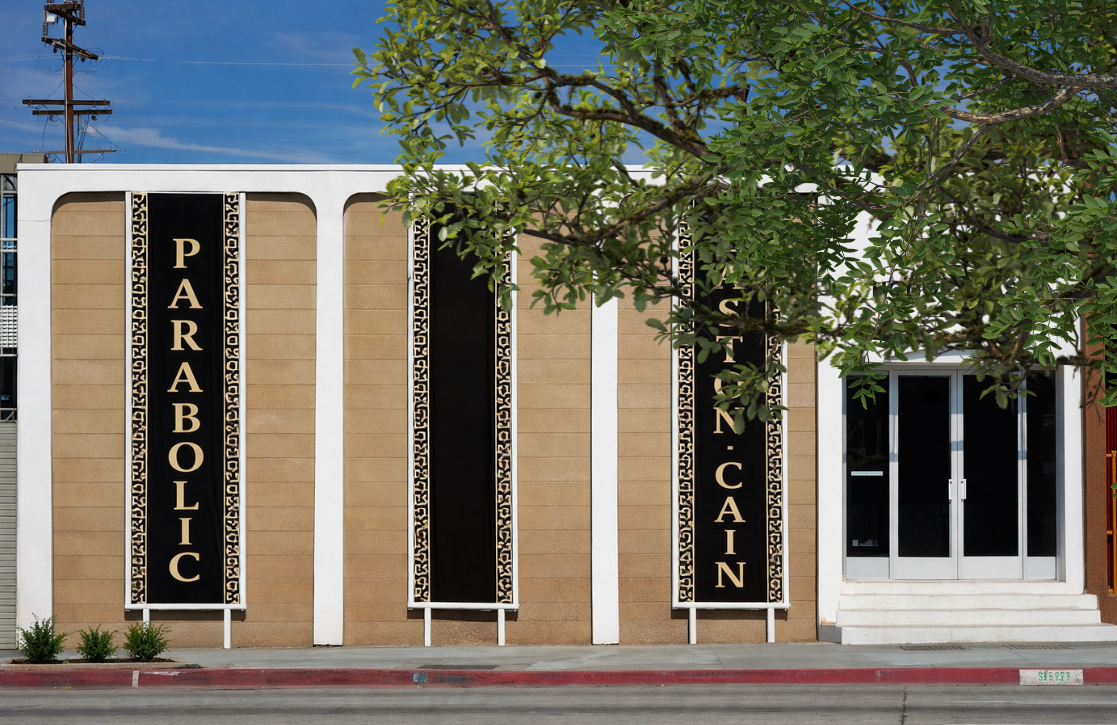
Los Angeles, California Jan 8, 2026 (Issuewire.com) - At the stroke of midnight on New Years Day 2026, an unmarked venue in West Los Angeles fell silent as painter Easton Cain unveiled Parabolica one-hour exhibition designed to exist once and then disappear. Guests entered through an unmarked door into a sparsely lit room where thirteen monumental oil paintings were installed with deliberate restraint. The parameters were exacting: fifty invited attendees, no documentation, and no second viewing. Every work had been placed in advance.
In an art landscape defined by previews, amplification, and infinite reproduction, Parabolic offered something increasingly rare: an experience confined to a room, a moment, and a finite group of witnesses. Within collector circles, the exhibition is already being discussed as a defining eventone that signals Cains transition from a closely held regional presence to a figure of broader national attention.
Exhibition Details
-
Exhibition: Parabolic (One-Hour Midnight Exhibition)
-
Date/Time: January 1, 2026, 12:001:00 a.m.
-
Location: Undisclosed venue, West Los Angeles
-
Artworks: 13 large-scale oil paintings (all pre-sold)
-
Attendance: 50 invited collectors
More On Putoutnews ::
- Considering Knee Surgery in Singapore? Here’s What to Know — And a Trusted Way to Avoid It or Recover Faster
- GoBaby Travel Marks Five Years of a Belief Becoming Real — Building a Safer, More Connected Future for Travel
- Texas-Based Fashion Designer and Artist Earnest of Earnest House of Diaz Announces
- Top 10 Treadmills for Home Use 2025 — Famistar T532 Among the Best
- Why W3care Technologies Is the Trusted Choice for Website Maintenance, Website Development, and Digital Business Growth
-
Documentation: None permitted
An Exhibition Built on Absence
Los Angeles is no stranger to exclusivity, but Parabolic pushed restraint further than most contemporary exhibitions dare. There were no previews, no wall text, no press walkthroughs, and no artist statement. Cain appeared only briefly, deliberately removed from cameras and commentary.
This approach reflects his broader philosophy. Associated with a small but growing cohort of painters sometimes described as part of an Analogist current, Cain has resisted the visibility-first cycle that dominates much of contemporary art. His focus remains on material skill, physical presence, and direct encounter. As he puts it, The work should speak before I do.
By withholding imagery and explanation, Parabolic functioned less as a traditional exhibition and more as a controlled encounterone that relied on memory and word of mouth rather than visibility to generate momentum.
Landscape Painting, Reconsidered
Cains paintings sit within the lineage of American Regionalism while distinctly updating its visual language. His landscapes depict familiar California environmentscoastal headlands, rolling hills, urban landmarksbut render them with a clarity and compression that feel unmistakably contemporary.
In works such as Baker Beach, the Golden Gate Bridge rises beneath swirling, hyper-articulated skies. From a distance, the surface reads almost digital in its precision; up close, the illusion dissolves into dense oil paint, visible brushwork, and layered color. The tension between hand-made process and near-clinical clarity is central to the works effect.
While observers note echoes of Thomas Hart Benton and Grant Wood, Cain avoids nostalgia. Instead, he treats landscape as cultural memoryrecognizable, heightened, and subtly symbolic. The result is work grounded in tradition without being bound by it.
Demand Without Visibility
Cains rise has been largely private. Until recently, his work circulated primarily through direct relationships with collectors rather than public exhibitions or gallery promotion. That restraint appears to have intensified demand rather than limited it.
Parabolic offered a striking example: all thirteen paintings were claimed before the exhibition opened, despite the absence of publicly available images. Among collectors, this level of advanced commitment for unseen work is uncommon and has drawn increased attention from advisors and secondary-market observers.
Rather than dramatic price volatility, Cains market has shown steady upward pressureoften cited as a signal of sustainability rather than speculation. Advisors describe his current moment as one in which access remains limited, but momentum is clearly building.
A Year of Expansion Ahead
While Parabolic was intentionally fleeting, it appears to have accelerated broader visibility. Conversations are now underway with a respected West Hollywood gallery known for rigorously curated, concept-driven exhibitions and a track record of early institutional positioning for major contemporary artists. These discussions emphasize scale, discipline, and long-term placement rather than short-term exposure.
Cain is also expected to participate in larger art-world forums later in 2026, signaling a measured expansion beyond private circulation. His representation by Emerald Thinkera Northern California fine art platform known for selective placement and low public visibilityhas thus far prioritized discretion over scale, a posture that may evolve as Cains work reaches wider audiences.
In parallel, Cain is engaged in a small number of commissioned projects, including one for a prominent California public figure. Such commissions, alongside growing curatorial interest, point toward a widening institutional awareness of his work.
A Defining Moment
Parabolic lasted exactly one hour. Its afterlife exists only in memory, conversation, and the private collections where the paintings now reside. For Cain, the exhibition did not attempt to announce a careerit documented a moment when discipline, demand, and vision aligned.
At the opening of 2026, Easton Cain stands at a clear inflection point. His commitment to analog process, controlled visibility, and material rigor has produced a body of work that resists spectacle while quietly generating it. Those present at Parabolic did not witness a debut. They witnessed confirmation.
Source :Easton Cain Artist
This article was originally published by IssueWire. Read the original article here.